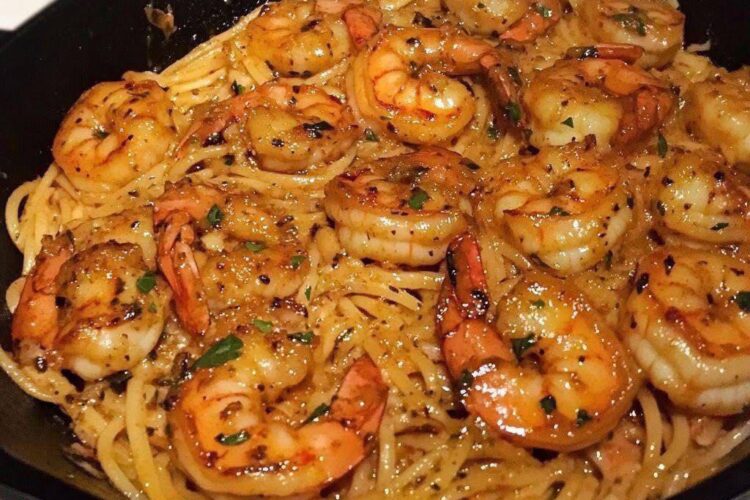
Garlic Butter Shrimp Pasta
Introduction
There are few dishes that capture the essence of comfort, elegance, and sheer deliciousness quite like Garlic Butter Shrimp Pasta. This culinary masterpiece is a symphony of flavors and textures, combining succulent, perfectly cooked shrimp with al dente pasta, all coated in a rich, aromatic garlic butter sauce. It’s a dish that feels incredibly gourmet, yet is surprisingly simple and quick to prepare, making it an absolute weeknight lifesaver and a fantastic option for impressing guests without spending hours in the kitchen.
What makes Garlic Butter Shrimp Pasta truly special is the harmonious blend of its core ingredients. The sweet, tender bite of shrimp is elevated by the fragrant punch of fresh garlic, softened and mellowed by luxurious butter. This savory base clings beautifully to every strand of pasta, ensuring each mouthful is packed with flavor. A hint of brightness from lemon and a touch of heat from red pepper flakes often round out the profile, transforming a few simple components into an unforgettable dining experience. It’s a dish that promises satisfaction, warmth, and a little bit of culinary magic in every forkful.
Whether you’re a seasoned chef or a kitchen novice, this recipe is designed to guide you to success. We’ll walk through each step, ensuring your shrimp is perfectly tender, your pasta is just right, and your garlic butter sauce is nothing short of divine. Get ready to add this incredible Garlic Butter Shrimp Pasta to your regular rotation – your taste buds will thank you!
Nutritional Information
Per serving (approximate values):
- Calories: 650
- Protein: 40g
- Carbohydrates: 65g
- Fat: 25g
- Fiber: 4g
- Sodium: 850mg
Ingredients
- 1 pound large shrimp, peeled and deveined, tails on or off
- 12 ounces spaghetti, linguine, or fettuccine
- 6 tablespoons unsalted butter
- 6 cloves garlic, minced
- 1/2 teaspoon red pepper flakes (optional, for heat)
- 1/4 cup dry white wine or chicken broth
- 1/4 cup fresh lemon juice (from 1-2 lemons)
- 1/4 cup fresh parsley, chopped, plus more for garnish
- Salt and freshly ground black pepper to taste
- 2 tablespoons olive oil
- 1/2 cup grated Parmesan cheese, plus more for serving
- 1/4 cup reserved pasta water
Instructions
- Bring a large pot of salted water to a rolling boil. Add the spaghetti and cook according to package directions until al dente. Before draining, reserve about 1 cup of the starchy pasta water. Drain the pasta and set aside.
- While the pasta is cooking, pat the shrimp dry with paper towels. Season the shrimp generously with salt and black pepper.
- Heat 1 tablespoon of olive oil in a large skillet or pan over medium-high heat. Add half of the seasoned shrimp in a single layer, ensuring not to overcrowd the pan. Cook for 1-2 minutes per side, until pink and opaque. Remove the cooked shrimp from the pan and set aside. Repeat with the remaining 1 tablespoon of olive oil and the rest of the shrimp.
- Reduce the heat to medium. Add the butter to the same skillet, allowing it to melt. Once melted, add the minced garlic and red pepper flakes (if using). Sauté for about 1 minute, stirring constantly, until the garlic is fragrant but not browned. Be careful not to burn the garlic, as it can turn bitter.
- Pour in the dry white wine or chicken broth, scraping up any browned bits from the bottom of the pan with a wooden spoon. Bring the liquid to a gentle simmer and let it cook for 1-2 minutes, allowing the alcohol to cook off and the sauce to slightly reduce.
- Stir in the fresh lemon juice and half of the chopped fresh parsley. Season the sauce with salt and black pepper to taste.
- Add the cooked spaghetti to the skillet with the sauce. Toss well to coat the pasta evenly. If the sauce seems too thick, add a splash or two of the reserved pasta water, a tablespoon at a time, until it reaches your desired consistency. The starchy pasta water helps the sauce emulsify and cling to the pasta.
- Return the cooked shrimp to the pan with the pasta and sauce. Add the remaining fresh parsley and the grated Parmesan cheese. Toss gently to combine, ensuring the shrimp is well incorporated and warmed through.
- Taste and adjust seasoning as needed. Serve immediately in warm bowls, garnished with additional fresh parsley and a sprinkle of Parmesan cheese.
Cooking Tips and Variations
Perfectly Cooked Shrimp: The key to tender, juicy shrimp is not overcooking them. Shrimp cooks very quickly, typically 1-2 minutes per side, depending on their size. They are done when they turn pink and opaque. Overcooked shrimp become rubbery and tough, so keep a close eye on them!
Al Dente Pasta: Always cook your pasta to “al dente,” meaning it’s firm to the bite but not hard. It will continue to cook slightly when tossed with the hot sauce. This ensures your pasta has the best texture and doesn’t become mushy.
The Magic of Pasta Water: Don’t skip reserving pasta water! This starchy liquid is your secret weapon for a silky, emulsified sauce that perfectly coats the pasta. It helps to thicken the sauce and bind all the flavors together.
Garlic is King: Use fresh garlic, not pre-minced jarred garlic, for the best flavor. Six cloves might seem like a lot, but it mellows beautifully in the butter and forms the backbone of this dish. Be careful not to burn it – a quick sauté until fragrant is all you need.
Add a Touch of Heat: Red pepper flakes are optional, but they add a wonderful subtle kick that balances the richness of the butter and brightens the overall flavor profile. Adjust the amount to your preference.
Herb Power: Fresh parsley is essential for brightness and color. Chives or fresh basil can also be lovely additions, either in combination with parsley or as a substitute.
Lemon Zest for Extra Zing: For an even brighter, more aromatic lemon flavor, add a teaspoon of lemon zest to the sauce along with the lemon juice. The zest contains oils that provide a more intense citrus aroma.
Wine vs. Broth: Dry white wine (like Pinot Grigio, Sauvignon Blanc, or Chardonnay) adds a layer of depth and complexity to the sauce. If you prefer not to use alcohol, a good quality chicken or vegetable broth is an excellent substitute.
Veggie Boost: To add more vegetables, consider tossing in some baby spinach or cherry tomatoes (halved) during the last minute of cooking the sauce, just before adding the pasta. They will wilt slightly and add freshness and color.
Cheese Please: While Parmesan cheese is classic, a touch of Pecorino Romano can add a sharper, saltier kick if you enjoy it. Freshly grated cheese is always superior to pre-shredded.
Different Pasta Shapes: While spaghetti, linguine, or fettuccine are traditional, feel free to use other shapes that hold sauce well, such as penne, rigatoni, or even orecchiette.
Make it Spicy: For those who love heat, increase the red pepper flakes or add a pinch of cayenne pepper to the sauce.
Storage and Reheating
Storage: Leftover Garlic Butter Shrimp Pasta is best stored in an airtight container in the refrigerator. It will keep for up to 2 days. The quality of the shrimp and pasta can degrade slightly beyond this time.
Reheating: The key to reheating this dish without drying out the shrimp or making the pasta mushy is to do it gently and with added moisture. We recommend reheating on the stovetop or in the microwave.
- Stovetop: Transfer the pasta to a skillet or pan over medium-low heat. Add a splash of chicken broth, water, or even a little extra lemon juice to help rehydrate the sauce and prevent sticking. Stir gently and heat until warmed through, about 5-7 minutes. Be careful not to overheat the shrimp.
- Microwave: Place a single serving in a microwave-safe dish. Add a tablespoon or two of water or broth. Cover loosely and microwave on medium power for 1-2 minutes, stirring halfway through, until warmed. Avoid high power, as it can make the shrimp rubbery.
Note that the shrimp may lose some of its tenderness upon reheating, but the flavors will still be delicious.
Frequently Asked Questions
What kind of shrimp should I use for this recipe?
For the best results, use large (21/25 count or larger) raw shrimp, either fresh or frozen. If using frozen, make sure to thaw them completely and pat them very dry before cooking. You can buy them peeled and deveined with tails on or off, according to your preference. Tails on can add a nice presentation, but tails off might be easier for eating.
Can I make this dish ahead of time?
While you can prepare some components in advance (like mincing garlic or chopping parsley), Garlic Butter Shrimp Pasta is truly best enjoyed immediately after cooking. The shrimp can overcook and become rubbery when reheated, and the pasta can absorb too much sauce and become soft. If you must prepare ahead, cook the pasta al dente and keep the sauce and shrimp separate, combining and gently warming just before serving.
My sauce is too thin/too thick. How can I fix it?
If your sauce is too thin, let it simmer gently for a few more minutes to reduce and thicken slightly. If it’s too thick, add more of the reserved pasta water, one tablespoon at a time, until it reaches your desired consistency. The starches in the pasta water will help create a beautiful, cohesive sauce.
Can I add other vegetables to this pasta?
Absolutely! Garlic Butter Shrimp Pasta is very versatile. Great additions include cherry tomatoes (halved), baby spinach, asparagus spears (blanched or sautéed briefly), or even finely diced bell peppers. Add these vegetables during the last few minutes of the sauce’s cooking time, allowing them to soften slightly before adding the pasta and shrimp.